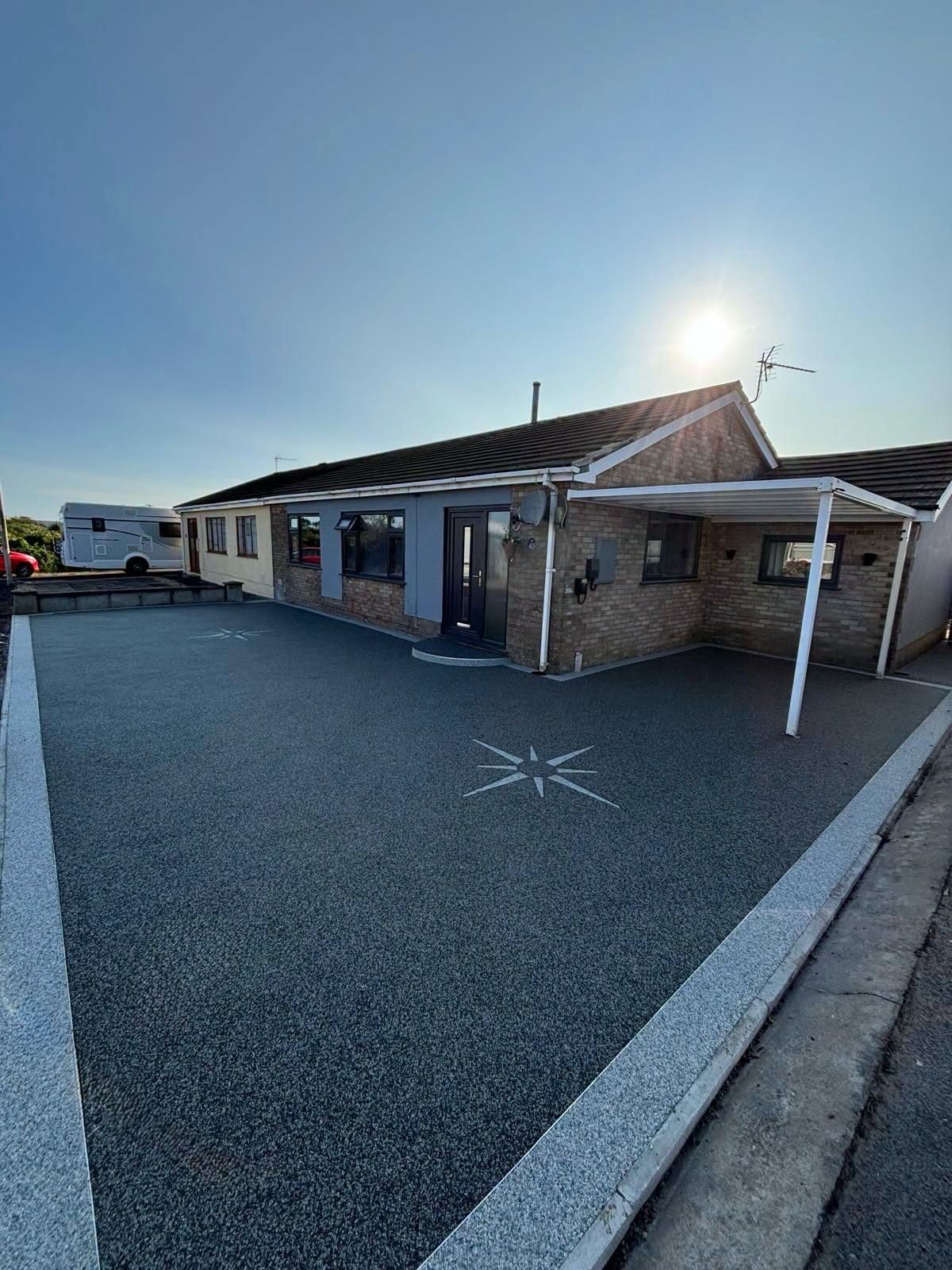
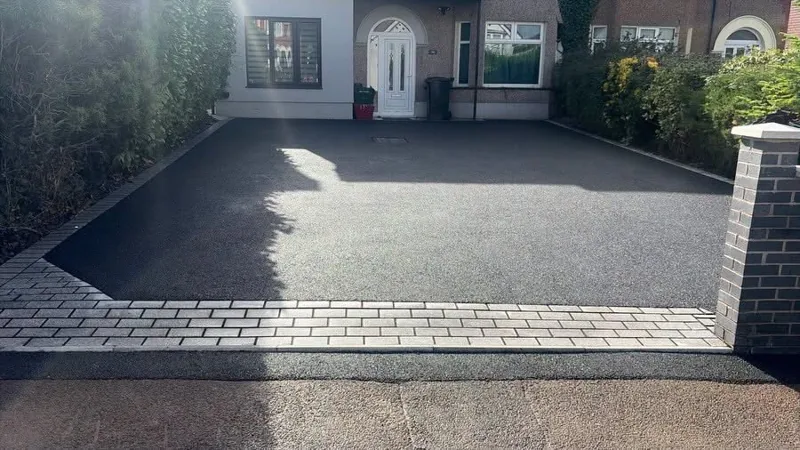
Tarmac driveway work creates a continuous asphalt surface for vehicle access and parking. It is a practical option to discuss when replacing a worn driveway, changing a loose-surfaced entrance or planning an area that must work for regular traffic. The material is only one part of the proposal. Foundation, edges, falls and drainage determine how the drive relates to the property and the way it will be used.
For a domestic driveway, the requirements may include family parking, reversing space and a clear pedestrian route to the house. A commercial site can involve different vehicles, more frequent use or restrictions on closing access. Tell the team what normally uses the area, including delivery vehicles and any unusual loads. A proposal should reflect actual traffic, not assume every tarmac area is equivalent to an ordinary residential drive.
You may need to consider resurfacing when deterioration makes a drive difficult to use, but defects are not all the same. Local damage, movement through a wider area and drainage problems can require different preparation. Looking only at the top surface risks missing what is happening underneath. Discuss whether the existing construction can be retained, whether a replacement is appropriate and what boundaries or adjoining areas are included.
The Resin Co offers tarmac surfacing for domestic and commercial projects across Swansea and South Wales. Each job is quoted individually; there is no confirmed fixed price per square metre. The company carries £10 million public liability cover. Its Vuba approval is a resin-installation credential, not a separate tarmac accreditation. Your decision should be based on the tarmac scope and its suitability for the particular entrance.